Wednesday, December 11, 2019

Best Motion Detector Lights

Best Overall
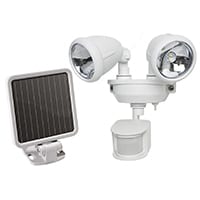
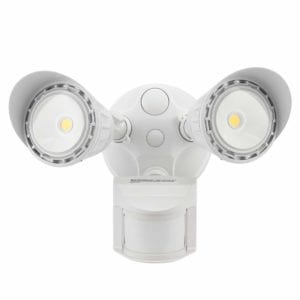
MAXSA Innovations Dual Head Security SpotlightLeonlite Outdoor Security Light
  • Senses motion 60 feet away
  • Produces up to 1400 lumens
  • Withstands extreme weather and temperature
  • Senses motion 60 feet away
  • Produces up to 1400 lumens
  • Withstands extreme weather and temperature
Most Sensitive
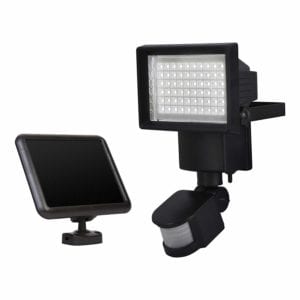
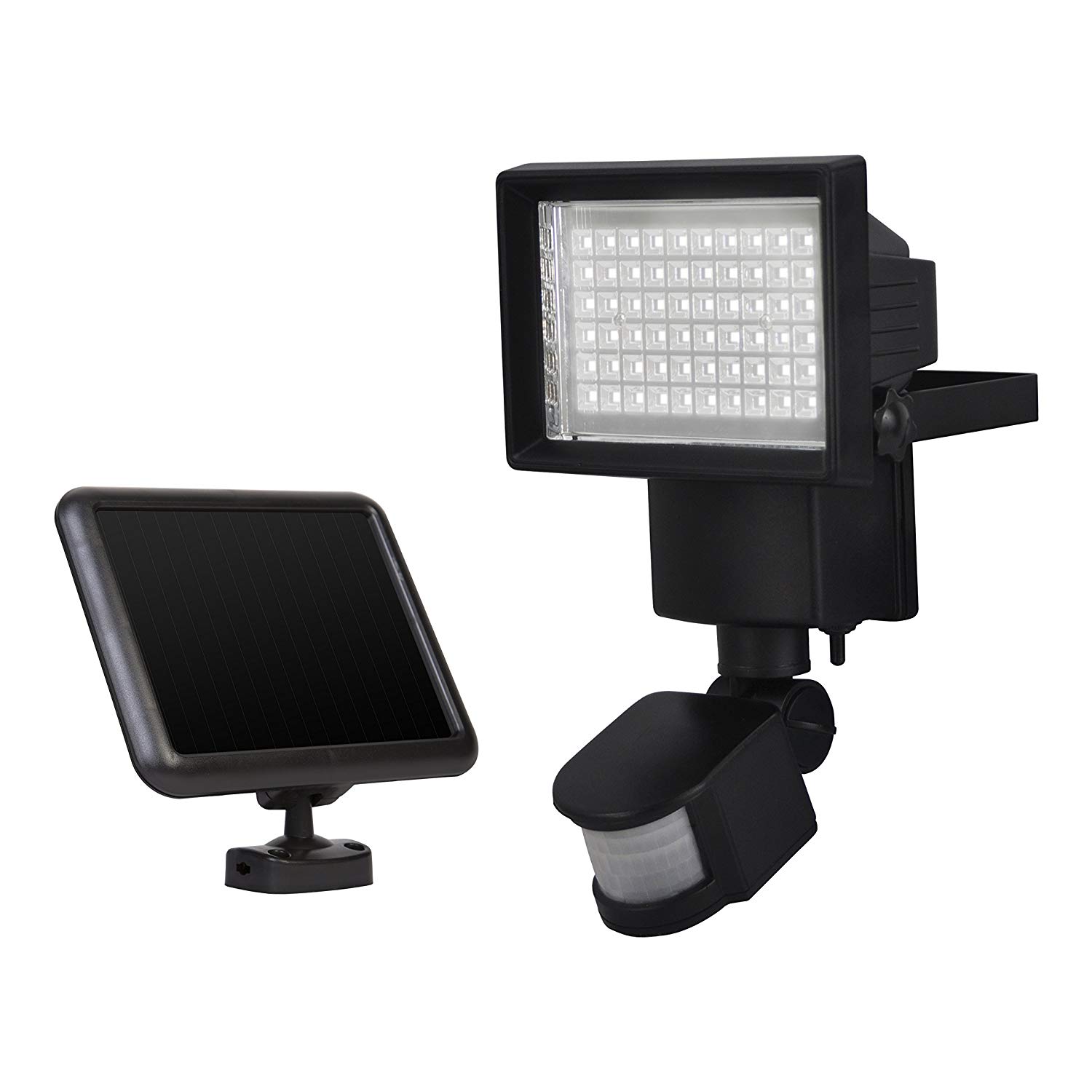
Sunforce Solar LightSunforce 82156
  • Senses motion up to 130 feet away
  • Uses battery or solar power
  • Senses motion up to 130 feet away
  • Uses battery or solar power
Welcome Home Pick
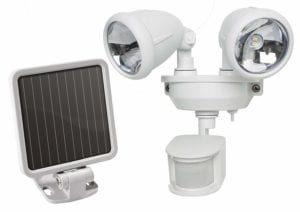
maxsa innovations motion activated led spotlightMAXSA Innovations 40218
  • Weather and temperature resistant
  • Equipped with four bright LEDs
  • Ideal for driveway and entrances
  • Weather and temperature resistant
  • Equipped with four bright LEDs
  • Ideal for driveway and entrances

The Bottom Line: The Leonlite Outdoor Light Shines

The Leonlight is the brightest star our lineup of motion detector lights. It has powerful dual LED outdoor security lights and a durable design that can withstand tough weather and temperatures. 

 Its motion sensor can detect activity from 60 feet away and in 180-degrees around. Once it’s LED motion light has been triggered, its powerful dual heads produce up to 1400 lumens (about the same brightness as your car’s headlights). This makes it the brightest of the bunch, making it one of the best flood lights if you live in a dark or rural area.

Top Motion Sensor Lights 

  1. Leonlite Dual-Head Motion-Activated Security Light | Read Review
  2. Sunforce Solar Motion Light  | Read Review
  3. MAXSA Motion-Activated Security Spotlight | Read Review
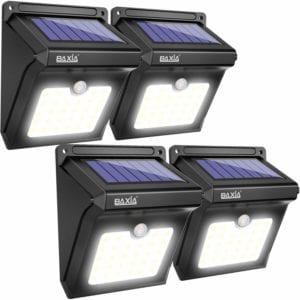
  4. Baxia Technology Solar Motion Sensor Lights | Read Review
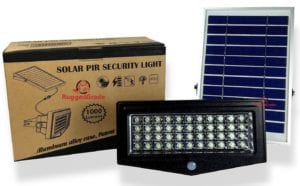
  5. RuggedGrade Solar Flood Light | Read Review
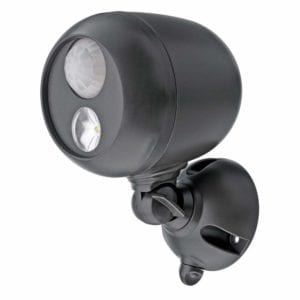
  6. Mr Beams Wireless Spotlight | Read Review 

Compare the Top Motion Sensor Lights

List Price *
Motion Detection Range
Lumens
Power Source
Temperature and Weather Resistant
Leonlite Dual-Head Motion-Activated Security Light
Sunforce Solar Motion Light
MAXSA Motion-Activated Security Spotlight
Baxia Technology Solar Motion Sensor Lights
RuggedGrade Solar Flood Light
Mr Beams Wireless Spotlight
Leonlite Dual Light Sunforce Solar Light MAXSA Motion Activated Security Light Baxia Solar Motion Light Rugged Solar Flood Light Mr Beams Wireless Spotlight
$39.26 $21.99 $67.58 $29.99 $79.99 $13.57
70 feet
180°
30 feet
180°
40 feet
180°

32 feet

16 feet

30 feet
1400 850 160 400 1000 140
Wired Battery or Solar Battery or Solar Battery or Solar Battery or Solar Battery
Yes Weatherproof only Yes Yes Weatherproof only Weatherproof only
View on Amazon View on Amazon View on Amazon View on Amazon View on Amazon View on Amazon

*Amazon.com prices as of 12/11/19 3:03 pm MST.

Best Motion Detector Lights Reviews

Leonlite Dual-Head Motion-Activated Outdoor Security Light
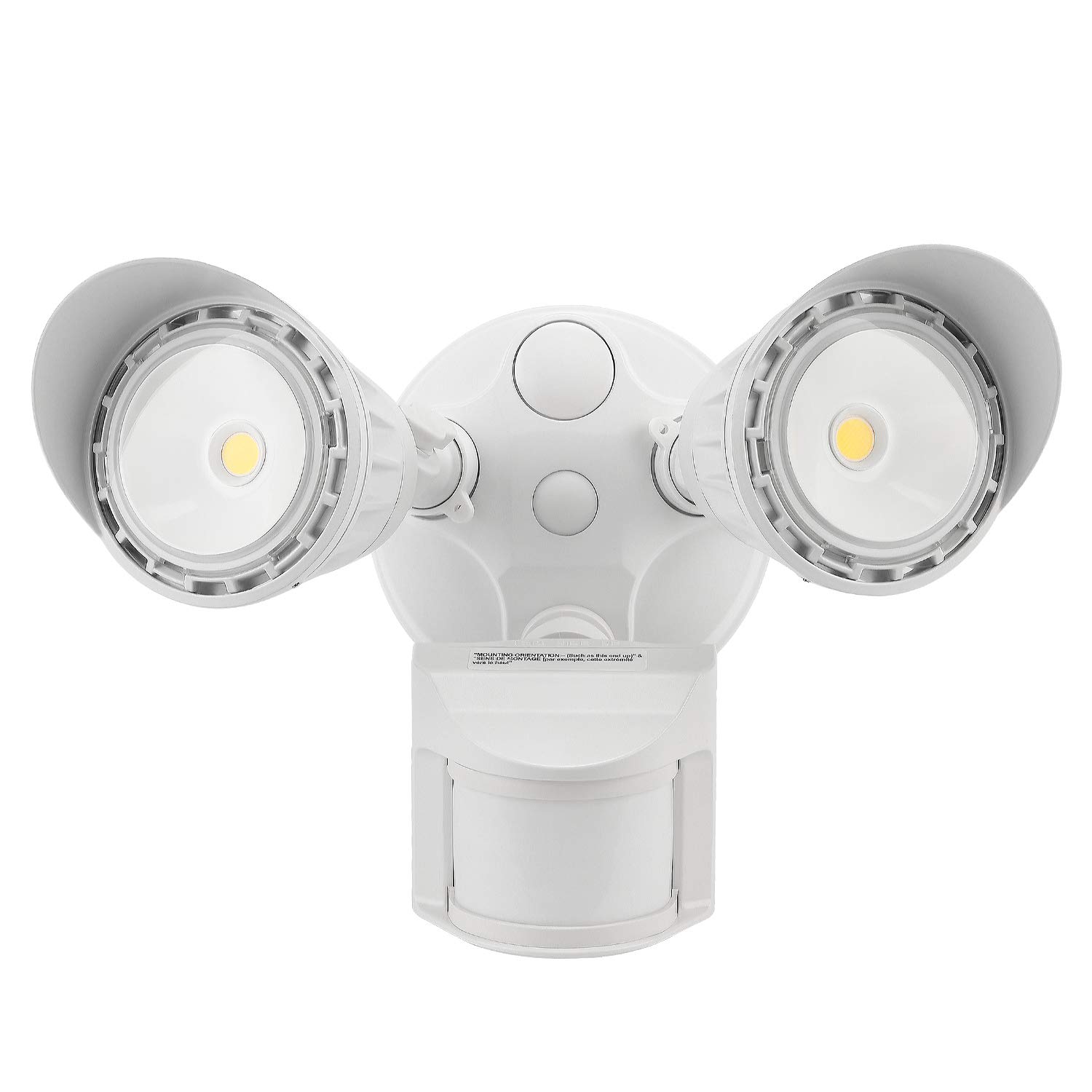
This Leonlite motion detector light strikes a balance between power and energy efficiency. 

Usually, when you think of energy efficiency, solar lights probably jump to mind. But this hardwired motion light gives them a run for their money. The Leonlite Motion-Activated Security Light is eligible for state and national energy rebate programs, and it can save you up to 87.5% on your outdoor lighting electricity bill.

On top of shaving a little off your power bill, this is the brightest LED motion light in our lineup. When it senses motion from up to 60 feet away, its powerful dual lights produce up to 1400 lumens, about the same as a car’s headlights. So whether you’re trying to light up your dark backyard or let intruders know you’re home, this light will be hard to ignore.

Pros

  • Comes in multiple finishes
  • Has durable, weatherproof housing
  • Delivers bright, adjustable security lighting

Cons

  • Has tricky installation
  • Goes on and off sporadically

Sunforce Outdoor Solar Motion Light

The Sunforce Solar Motion Light can be adjusted to your personal preferences. So you can change how bright these motion detector lights are when they turn on.

You can program what level of darkness activates the light, how long the light stays on once activated, its sensitivity to motion, and the range of motion detection.

Pros

  • Customizable features
  • Bright LED lights
  • Easy DIY installation

Cons

  • Short battery life
  • No way to turn off during the day

MAXSA Motion-Activated Security Outdoor Spotlight

The solar powered MAXSA Security Spotlight is ideal for sheds, decks, garages, and walkways.

It can detect motion up to forty feet away, and it comes with four super bright 0.5 watt LED lights that give off 160 lumens. It’s easy to install, too, so there’s no need to call an electrician to set this security light onto your siding, doors, or garage.

Pros

  • Detects motion up to 40 feet
  • Installs quickly
  • Monitors more than one area at once

Cons

  • Costs more
  • Takes on water

Baxia Technology Solar Motion Sensor Lights
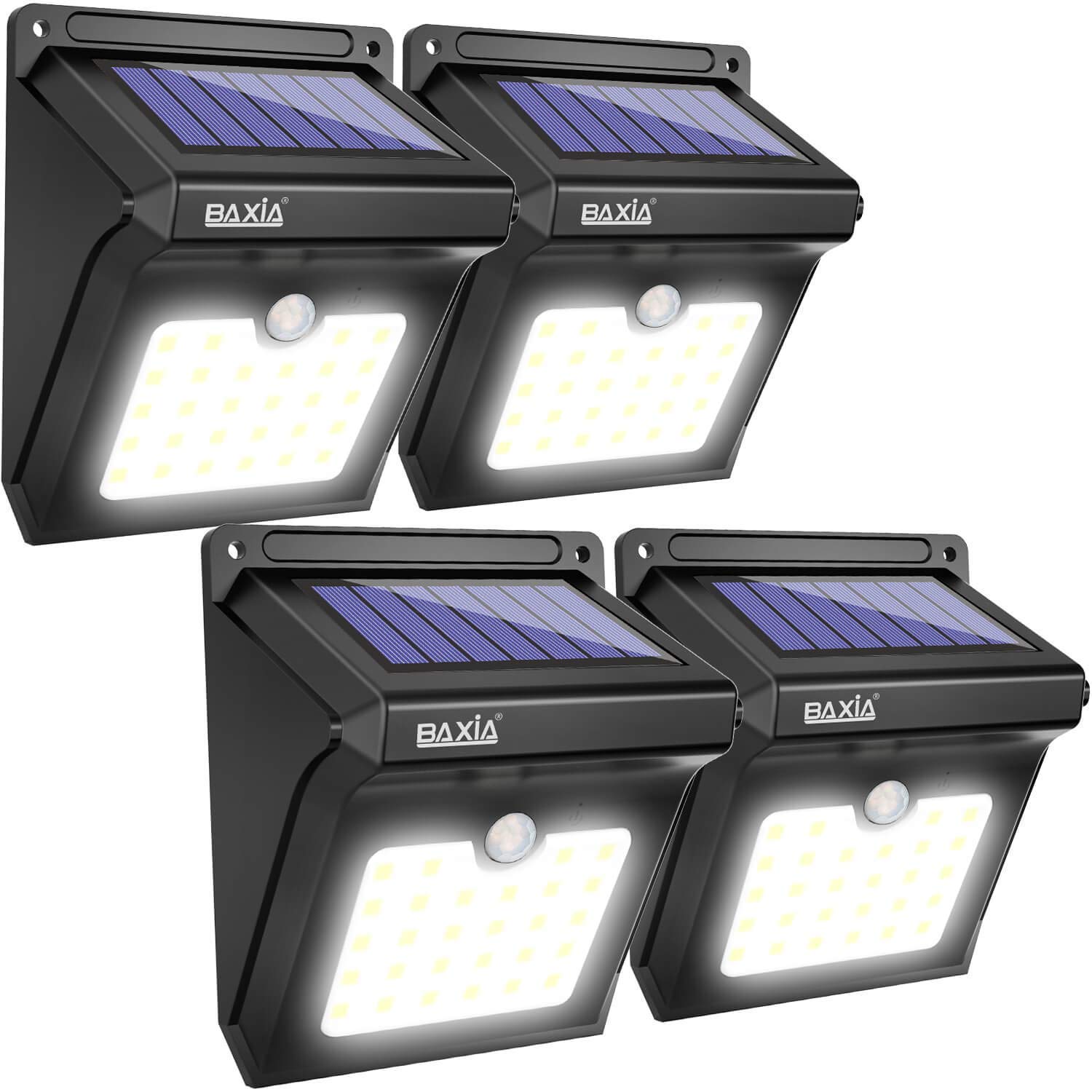
Baxia’s motion sensor lights have the highest weatherproof rating of any light on our list. These lights are water resistant and can withstand both extreme cold and extreme heat.

Best of all, they come with a 30-day money-back guarantee.

Pros

  • 30-day money-back guarantee
  • PIR sensor that detects body heat
  • Affordable price

Cons

  • No dimming mode
  • Inconsistent quality

RuggedGrade Solar Flood Light
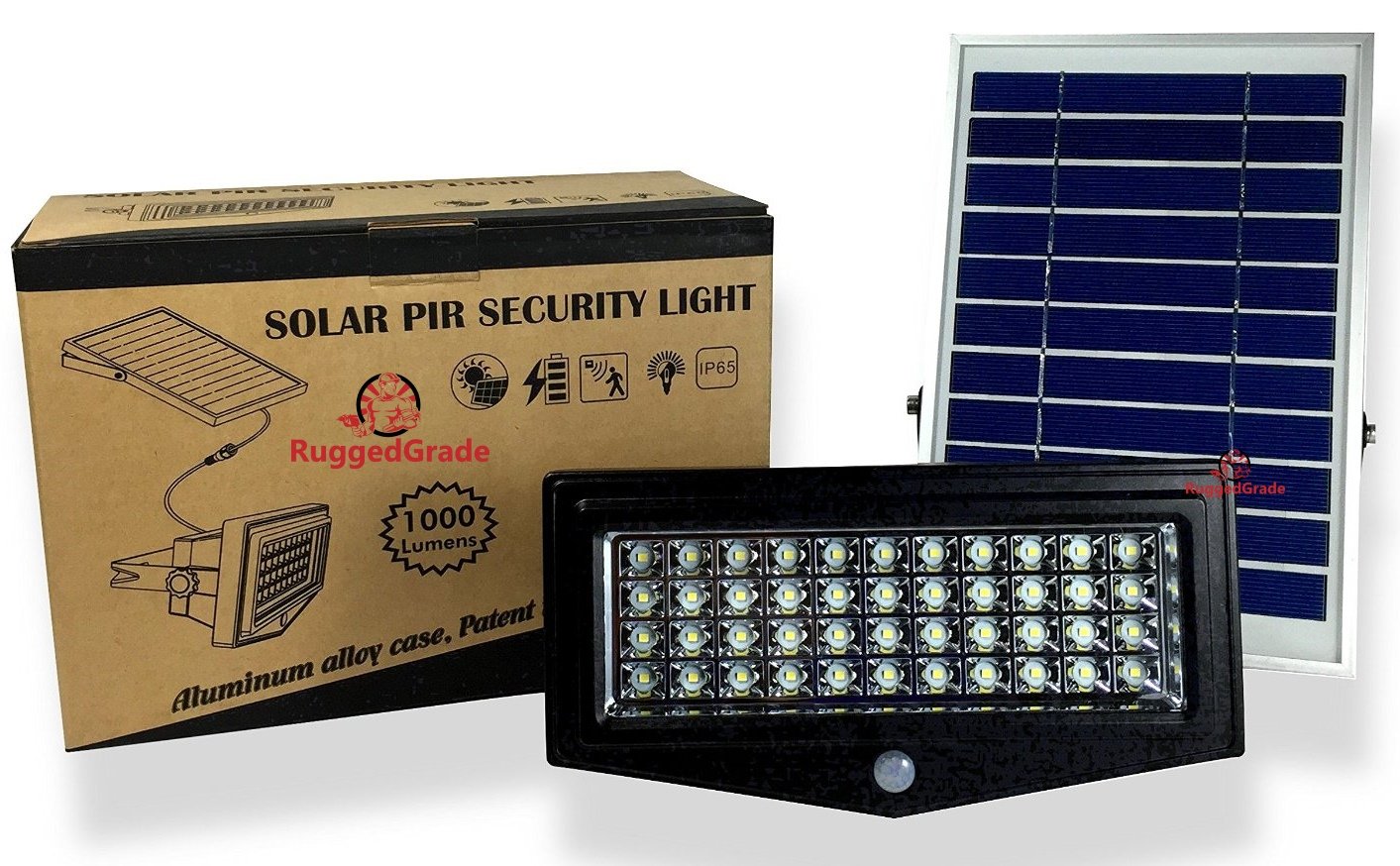
With 1,000 lumens, the RuggedGrade Solar Flood Light easily scares away burglars and safely lights your way when you’re outside at night.

Plus, it’s solar powered, so you don’t need to change batteries—just hook up the solar power cable and panel to keep this floodlight bright and ready for action.

Pros

  • Dimming feature
  • Great customer reviews
  • Sturdy, weatherproof construction

Cons

  • High price tag
  • Delayed motion sensor activation

Mr Beams Wireless Outdoor Spotlight
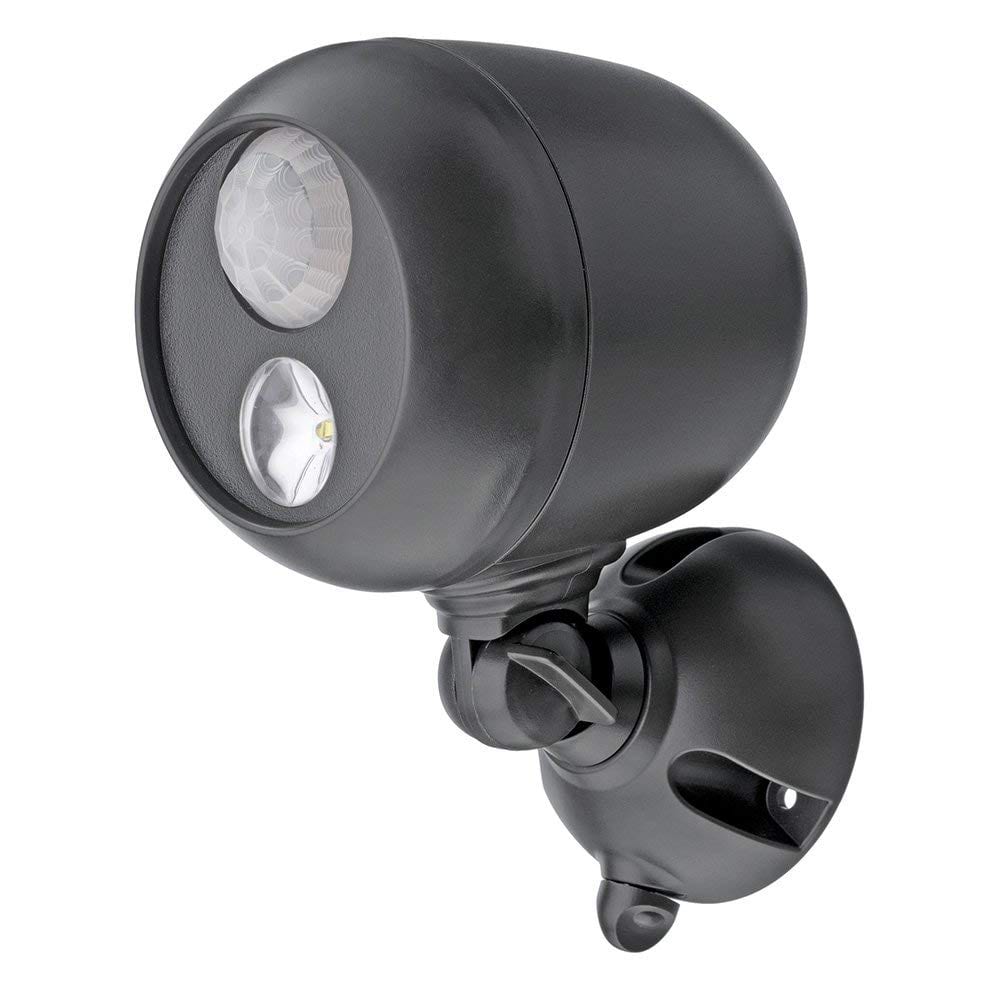
Budget Pick
Mr Beams Wireless Spotlight

This motion-activated security spotlight packs a powerful punch that won’t bust your budget.

Whether you’re looking to enhance home security or add extra safety to dark entryways, this light fits just about anywhere. Even though it may be small, the Mr Beams Wireless LED Spotlight provides up to 140 lumens of bright LED light.

This durable motion detecting spotlight is so affordable you may want to buy multiple units for all your outdoor lighting needs.  You can pick up one Mr Beams Spotlight for less than $20 or get a four-pack for around $60.

The Mr Beams Spotlight claims to be waterproof, but customers have found corrosion inside the sensors due to moisture, so it’s something to consider if you live in a moist climate.

Pros

  • Easy installation
  • Auto shut-off
  • UV light sensor

Cons

  • Touchy sensor
  • Inconsistent quality

Things to Consider in a Motion Sensor Light

Why do I want motion detector lights?

Indoor or outdoor, motion sensor lights provide security, convenience, and energy efficiency. There may be one main reason you’re looking for motion-activated lighting, or you may want to take advantage of all the benefits. Your primary reason will help you figure out the answers to other questions, like what type of bulb to get.

For security, you might want an outdoor motion sensor lights that’s surprise an intruders and scare them off. On the other hand, a motion light that makes sure you don’t get tripped up on your way into the house can be less powerful.

What type of lightbulb should I get?

Many outdoor motion sensor lights use LED to help save on electricity and minimize the chance of fire from a traditional, incandescent bulb that gets hot while in use.

The downside is that LED security lights are often dimmer, which can be a deal breaker if you want to illuminate a big area or startle trespassers. Incandescent light bulbs use more energy and need to be replaced more often, but they tend to be much brighter.

Because you’re looking for motion sensor lighting, you should have less worry about incandescent lights heating up from being left on too long.

How much area should my motion detector lights cover?

The amount of coverage provided by a motion light is determined by the motion sensor range and the brightness of the light bulbs. If you’re looking to light up a small area like the front porch, you may only need a motion sensor with a range of a few feet.

But if you want to illuminate a larger area like an entire backyard, you might want LED security lights with a range of 70 feet or more. You can also power up the reach of your motion light with bright bulbs that use more lumens. Small areas can get by with as little as 42 lumens, while floodlights can use up to 3,400.

What type of power source is best?

You can get motion sensor light fixtures that are hardwired, battery powered, or solar powered. The benefit of lights that use battery power or a solar panel is that you don’t have to install them near an electrical outlet. But solar panels need to be affixed where they’ll get enough sunlight for a full charge.

The drawbacks with battery and solar power are that your security can be compromised due to a dead battery or a cloudy day. You also sacrifice brightness with those power sources, as the brightest lights tend to use hardwiring.

If you do go with hardwired motion lights, be sure to plan ahead in case you need to run wires through walls or secure extension cords.  

Can I add motion sensor lights to my security system?

You should be able to add motion sensor lights to an existing home security system. Contact your security provider to find out if motion sensor lights are available. If the company you use doesn’t offer motion lights, find out if the system is compatible with any third-party motion sensor lights.

The benefit of having motion lights integrated into your security system is the convenience of mobile alerts when the lights are activated. Plus, if you have security cameras, the lights can help you get better footage in low-light situations.

Our Approach

We delved into industry research and reviews from real users to evaluate product performance, features, and specs. We also explored the FCC rules for LED lighting and consulted expert reviews to help us determine the best motion sensor lights of 2018. We picked our top ten after looking at more than fifteen products that were compared for effectiveness, reliability, customer satisfaction, and affordability.

  • 12 hours researched
  • 17 products considered
  • 2,700+ customer reviews
  • 8 coffees consumed

*Amazon.com list price as of 12/11/19 03:03 MST. Product prices and availability are accurate as of this date/time indicated and are subject to change. Any prices and availability information displayed on Amazon at the time of purchase will apply to the purchase of this product. Safewise.com utilizes paid Amazon links.

Certain content that appears on this site comes from Amazon. This content is provided “as is” and is subject to change or removal at any time.

The post Best Motion Detector Lights appeared first on SafeWise.


from Blog – SafeWise https://ift.tt/2IWHhD0
via IFTTT

How to Prevent Falls

Fall Prevention 101

Your friend Betty tripped over a kitchen rug when she went to do the dishes and ended up in the hospital. You strongly considered switching to paper plates, and you worried that even routine, daily activities could cause a fall that might result in hip fractures or other broken bones. Yet at the same time, you want to stay active for as long as possible. It’s a pickle, that’s for sure.

You might not feel comfortable admitting that you have a fear of falling, but don’t be embarrassed—you’re not alone. According to the National Council on Aging, more and more people over the age of 65 share this concern. After all, 25% of Americans 65 and older fall each year, and fall injuries are one of the leading causes of death for older Americans.1 


Fortunately, there are plenty of simple interventions to prevent falls. 

  1. Talk to Your Doctor
  2. Create a Fall-Free Home
  3. Dress for Success
  4. Get Active
  5. Consider a Medical Alert System
  6. Be Aware

1. Talk to Your Doctor

It’s not just a line from a pharmaceutical ad—talking to your primary care doctor is critical to understanding your fall risk factors because they know your medical history and the medications you’re taking.

  • Chronic conditions like diabetes, thyroid disorders, heart problems, and nerve damage (to name just a few) can affect your coordination, balance, and gait.
  • Your medication might also have side effects like sleepiness, dizziness, reduced muscle strength, or temporary disorientation that can lead to a fall. 

Be proactive.

At your next physical assessment, say, “Okay, doc. I’ve heard that people fall a lot when they get to my age. What are my risks?”

  • Ask if any of your health conditions or medications might mess with your balance.
  • Get your annual physical, and have your vision, hearing, and blood pressure checked regularly.
  • Using preventative maintenance to take care of your body is one of the smartest things you can do to prevent a fall.

When your doctor knows these things are important to you, they’ll be more likely to help you select medications and treatments that will keep you mobile and active for longer. 

2. Create a Fall-Free Home

There are plenty of steps you can take at home to reduce fall hazards and make your space easier to navigate. So what does a fall-free environment look like?

Tips for a Fall-Free Home

  • Clear floor hazards, like loose rugs, electrical cords, low furniture in walkways, and roaming cats. (Just kidding. Kind of. More on cats later.)
  • Add nonslip mats to areas that might get slick, like front steps, bathtubs, and showers.
  • Clear that pile of stuff on your stairs that you keep meaning to take up with you on your next trip. 
  • Make like a rock climber and give yourself some solid handholds for tricky spots, like stairs, showers, and toilets. Make sure they’re nice and secure.
  • Light it up! Add night-lights to hallways, bedrooms, and bathrooms so you don’t have to fumble through the dark during those midnight bathroom breaks and snack runs.

Check out our senior safety guide for more tips on injury prevention at home.

For extra lighting: GE 3-in-1 LED Power Failure Light, Flashlight, and Night-Light

We like the GE 3-in-1 lights for added nighttime lighting. They’ll come on automatically if you ever lose power, and you can unplug them from the wall for use as a flashlight.

For extra lighting
GE-3-in-1-LED-light

GE 3-in-1 LED Power Failure Light, Flashlight, and Night-Light

  • LED lights
  • No batteries required
  • Automatic light sensors

3. Dress for Success

Before you have to trade your favorite dress or slacks for a hospital gown, consider a more practical wardrobe. Think good grip and good fit. 

Make sure your footwear is secure (time to bid farewell to flip-flops) and has a sturdy sole with good traction. If you’re a creature of comfort and prefer stocking feet around the house, consider wearing socks with grip treads on the bottom. 

Wear clothes that fit well, don’t drag on the ground, and stay out of your way when you move. 

Pro Tip

Looking for slip-resistant shoes? Do a Google search for “restaurant shoes.” Because restaurant workers are likely to encounter slippery situations, they’re required to wear shoes with good grip. Your search should turn up comfortable shoes in a variety of styles.

4. Get Active

Why on earth would you want to get up and move more if you’re worried about falling? We know it seems counterintuitive, but older individuals who engage in physical activity through community exercise classes find that they enjoy better balance and are 35%–40% less likely to suffer a fall.2 In fact, evidence-based fall prevention programs are designed specifically for older adults who are concerned about their risk of falling.

  • If you want to take the more traditional fitness route, check your community for gentle mindfulness exercise classes like tai chi or yoga.
  • For evidence-based fall prevention training, look for programs like Stepping On or the Otago exercise program, which are designed specifically for older people. You don’t even have to be steady on your feet to participate.
  • Classes like A Matter of Balance let you do all of your exercises sitting down to ensure your comfort and safety as you participate. These classes also teach specific strategies to minimize your risk of falling so you can learn about the little things you can do every day to protect yourself against falls and increase your mobility.

5. Consider a Medical Alert System

Sometimes the fear of a thing causes more problems than the thing itself. If you’re finding that your nightmares often include images of the lady on the kitchen floor crying, “Help! I’ve fallen and I can’t get up!” then it might be time to consider a medical alert system

Fortunately, medical alert systems have changed quite a bit since the I’ve-fallen-and-I-can’t-get-up lady was on the air. While some systems still have the traditional base unit and bulky medical pendant, many systems now offer emergency help buttons that look like regular jewelry or watches. You can also choose between a medical alert with GPS that you can take with you when you’re out and about, or a home unit that can give you some added security when you’re around the house. 

Company
Base Monthly Price
Fall Detection
Standout Feature
Learn More
Best for Home
Best for On the Go
Best for Budget
medical guardian logo lifefone logo
Medical Guardian LifeFone Bay Alarm
$29.95 $24.95 $19.95

Yes

Yes

Yes
Discreet Wearables App-only plans Multilingual services
View Plans View Plans View Plans

6. Be Aware

Sometimes, staying safe is just using common sense.

  • Take your time when getting up and down from a couch or a chair.
  • Use handrails on stairs and in the bathroom, and don’t hop up on a chair or a table to reach something high.
  • Keep items you need in easy-to-reach spots, and avoid carrying too much stuff at one time.

If you have pets

If you have pets—like cats that are convinced they’re starving and thus like to weave through your legs as you’re trying to walk into the kitchen—be aware of their location as you move through your home. Make sure you can always see the floor or ground in front of you, and avoid walking on wet or icy surfaces.

If you’re unsteady on your feet

If you know you’re unsteady on your feet, make yourself a little nest with everything you need, like the remote control, your phone, important medications, snacks, and a drink. That way you can stay in one spot longer and reduce your risk for falls. This is especially important at bedtime so you don’t have to wander around at night when it’s dark and you’re more tired.

Other Tips

  • If you have a medical alert system, wear your pendant.
  • If you have hearing aids or glasses, wear them.
  • If you have a walker or a cane to help keep you steady, use it.
  • Take your medications and vitamins (don’t forget that calcium for strong bones!) and if you forget, set a reminder on your phone or ask a friend, family member, or medical alert agent to remind you.

It’s okay to enlist the help of loved ones in your fall prevention strategies. They probably don’t want to see you rocking a hospital gown either. (Have you seen the price of flowers in hospital gift shops?) Remember, it’s the little habits that keep you healthy and safe.

For more info on how to stay safe at home, check out our senior safety FAQ.

FAQs

My doctor said something about “fall prevention interventions.” What does that mean?

We know it sounds scary, but don’t worry, it isn’t like an addiction intervention you see on TV. The term refers to all the things we’ve listed here—things you can do to reduce your risk of falls. 

What is a risk assessment tool?

A risk assessment tool is a screening process used by your doctor to determine your risk of falling based on your specific risk factors and physical challenges, like visual impairment or low blood pressure. Risk assessment tools are usually created using trial participants and have been found to be very effective for creating more tailored interventions to prevent falls.

How do I talk to an aging loved one about the risk of falls?

A great way to begin is to encourage them to meet up with other older adults in their community at an exercise class or fall prevention program. Your loved one will get the education they need to stay safer, and they’ll have the opportunity to connect in a positive way with others facing the same lifestyle changes they are. Exercise and community involvement are just a few of our many recommended tools for senior independence.

The post How to Prevent Falls appeared first on SafeWise.


from Blog – SafeWise https://ift.tt/2RGhGDd
via IFTTT

The Best Carbon Monoxide (CO) Detectors of 2019

Best Overall
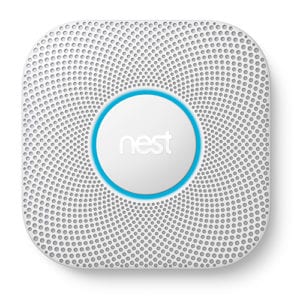
Nest ProtectGoogle Nest Protect Smoke/CO Detector
  • Smart home compatibility
  • Dual functionality
  • Smart home compatibility
  • Dual functionality
Best Voice Control
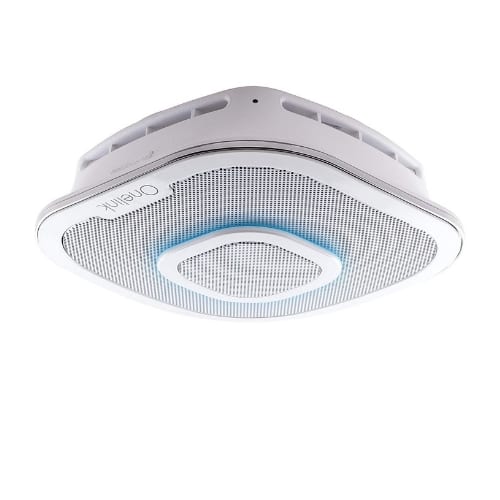
First Alert Carbon Monoxide DetectorFirst Alert OneLink
  • Amazon Alexa integration
  • Long battery life
  • Amazon Alexa integration
  • Long battery life
Best Value
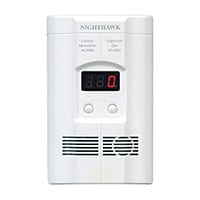
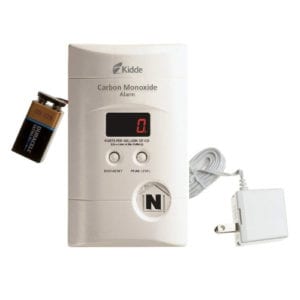
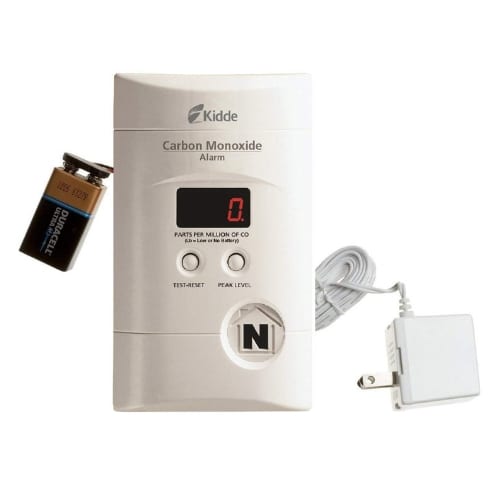
kidde-nighthawk-plug-in-co-gas-alarmKidde Nighthawk
  • Affordable price tag
  • Digital display
  • Affordable price tag
  • Digital display

SafeWise News Alert: September 2019

On September 10, 2019 the House unanimously passed a $300 million bill that requires carbon monoxide detectors in all federally subsidized housing units. The move comes after more than a dozen residents died from carbon monoxide poisoning over the past 16 years. Four of those deaths occurred in 2019. 

The bill allows for $300 million over three years to purchase and install CO detectors in public housing—where more than four million Americans live. A similar proposal is on the slate for Senate review.

Bottom Line: Google Nest Protect Offers More Than Basic CO Protection

Nest was one of the first companies to combine a smoke alarm and carbon monoxide detection with smart tech. Because both hazards can be devastating, we like that you can get double the protection in one device. The addition of mobile alerts via the Nest app ensures you’ll get early warning of danger from carbon monoxide poisoning no matter where you are.

But you’ll pay for the Nest Protect’s extra protections—it starts around $120, which is a lot compared to a simpler carbon monoxide alarm that usually falls around $20.

Compare CO Detectors and Alarms

After hours of research and testing, we’ve found the best carbon monoxide detectors available. From basic battery operated to smart devices, you can find the top options here.

List Price *
Smart Features
Digital Display
Smoke Sensor
Best Overall
Best Voice Control
Best Value
Best 2-in-1
Easy Installation
Budget Pick
Nest Protect First Alert OneLink Kidde Nighthawk Arikon Smoke and CO Detector Kidde Battery-Operated First Alert C0400
Nest Protect First Alert Carbon Monoxide Detector Kidde Carbon Monoxide Detector Arikon Smoke and carbon monoxide detector Kidde Battery Powered CO Detector First Alert CO400 Carbon Monoxide Alarm
$119.00 $149.99 $27.05 $22.99 $21.97 $13.99
Yes
Yes
No
X
No
X
No
X
No
X
Yes
No
X
Yes
Yes
Yes
No
X
Yes
Yes
No
X
Yes
No
X
No
X
View on Amazon View on Amazon View on Amazon View on Amazon View on Amazon View on Amazon

*Amazon.com prices as of 12/11/19 01:28 pm MST.

CO Detector and Alarm Reviews

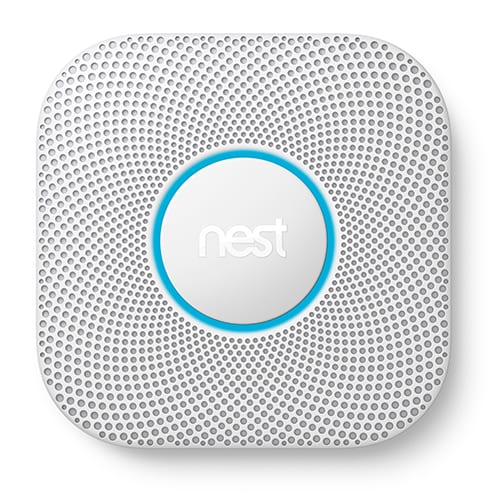
Google Nest Protect: Best Overall Carbon Monoxide Detector

Best Overall
Nest Protect

Nest Protect combines smoke and carbon monoxide detection and works with an app. When you download it, you can get alerts to your phone and even silence alarms if necessary. With state-of-the-art sensors for both fire and carbon monoxide, this alarm is one of the best for homeowners or renters.

You can’t change the batteries in this unit, so you’ll need to replace the whole thing once it expires. But at $120, Nest Protect is still a good value if it lasts for its full life expectancy of 10 years

Pros

  • Works with other smart home devices
  • Doubles as smoke detector
  • Comes with battery or hardwire capabilities
  • Features voice notifications

Cons

  • When the battery dies, you'll need a new alarm
Best Voice Control
First Alert Carbon Monoxide Detector

This smart smoke and carbon monoxide detector can do a lot. Using your home’s wifi, the alarms can talk to one another and synchronize to alert you if there is a gas leak or fire. You can also control it from your Apple device through an app, so you can silence the alarm or get notifications on your phone.

Onelink doesn’t have a battery compartment that you can access, so when it dies you’ll need to get a new CO detector. With a price tag over $200, that steep replacement cost might be more than some want to pay.

Pros

  • 10-year battery
  • Mobile app
  • Voice alarm
  • Syncing system
  • Built-in smoke alarm

Cons

  • Big price tag
  • When the battery dies, you'll need a new alarm

Kidde Nighthawk: Best Value

Best Value
Kidde Carbon Monoxide Detector

As the world’s largest fire safety product manufacturer, Kidde also produces high quality carbon monoxide detectors. While it’s not the cheapest option on our list, the Nighthawk packs in the most features for the best price.

With a digital display, you can read your home’s carbon monoxide levels easily. Plus, the device refreshes its data every 15 seconds so you’ll know if something isn’t right. If your device sounds, you’ll definitely hear it. This carbon monoxide alarm lets out an 85 db beep that’s as loud as a blender.

Pros

  • Affordable price
  • Digital display
  • Positive customer reviews
  • Backup battery

Cons

  • Not compatible with home automation
  • Hardwired only

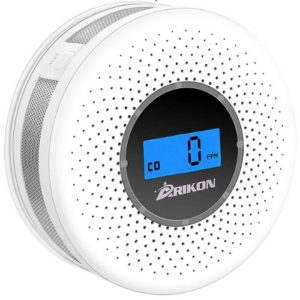
Arikon Smoke and CO Detector: Best 2-in-1

Best 2-in-1
Arikon Smoke and carbon monoxide detector

Arikon Smoke and CO Detector

The Arikon smoke and carbon monoxide sensor works twice as hard and looks good doing it. It uses both photoelectric and electrochemical sensors to detect smoke and carbon monoxide at once. This means you won’t have to install a ton of devices throughout your home. 

Its 85-decibel siren and indicator lights are hard to ignore too. The lights show you when it senses danger and when the batteries are running low. It doesn’t hurt that they look cool too. 

The only thing separating this Arikon smoke and CO detector from the big hitters like Nest Protect and OneLink is smart features. But this can be a plus if you’re more interested in basic protection. The basic features keep it affordable and easy to install anywhere in your home.

Pros

  • Detects smoke and carbon monoxide
  • Loud siren
  • Indicator light

Cons

  • No smart features

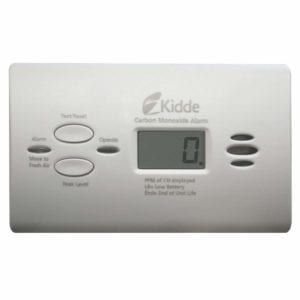
Kidde Battery-Operated: Easy Installation

Easy Installation
Kidde Battery Powered CO Detector

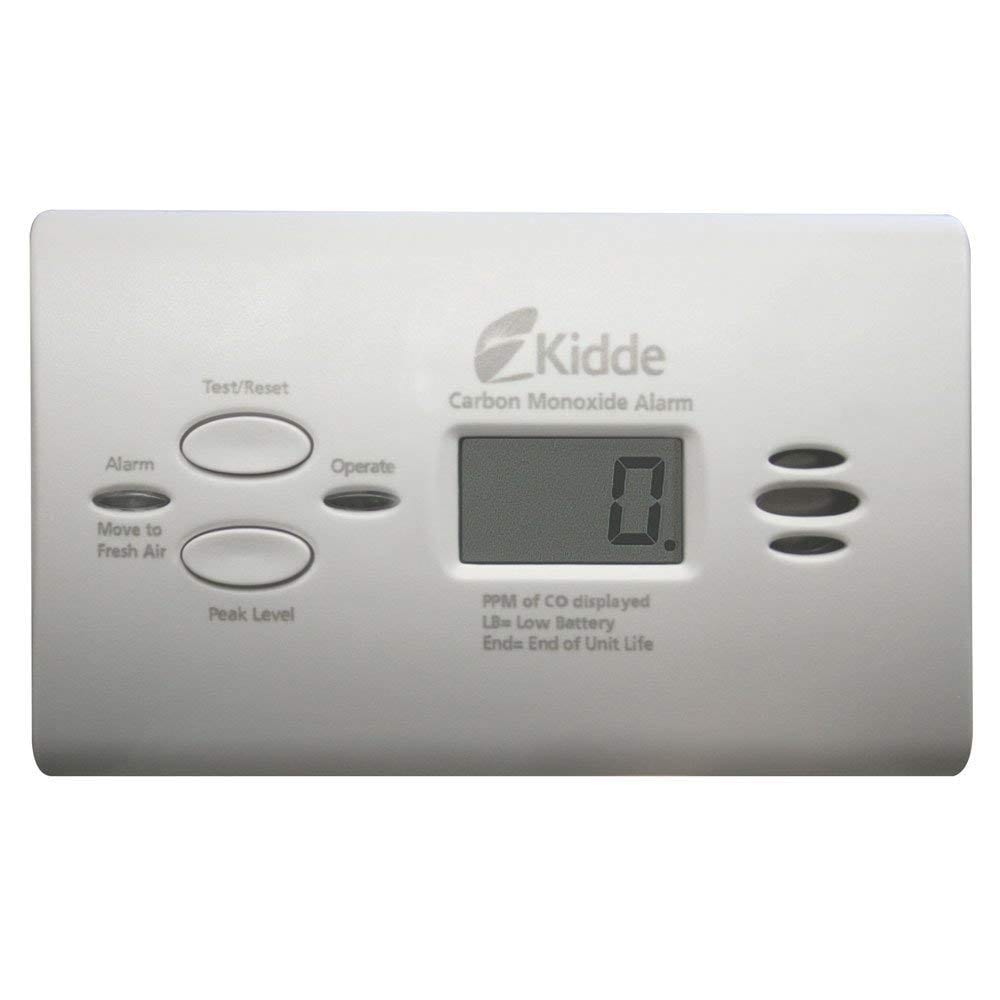
Kidde’s battery-operated CO detector is equipped with an electrochemical sensor, which is the best way to detect CO in your home. The digital display makes it easy to monitor levels of carbon monoxide. Plus, an 85 dB alarm ensures you won’t miss an alert.

You’ll appreciate the simple setup and operation of this device. All you have to do is pop in some batteries and mount it on the wall. But simplicity comes with drawbacks—there’s no smart home compatibility in this detector.

Pros

  • Digital display
  • Frequent readings
  • Easy installation
  • Affordable price

Cons

  • No home automation

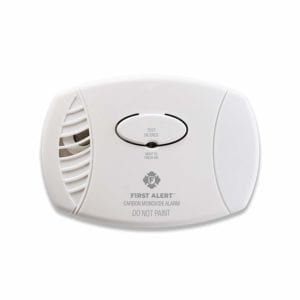
First Alert CO400 Alarm: Best for Your Budget

Budget Pick
First Alert CO400 Carbon Monoxide Alarm

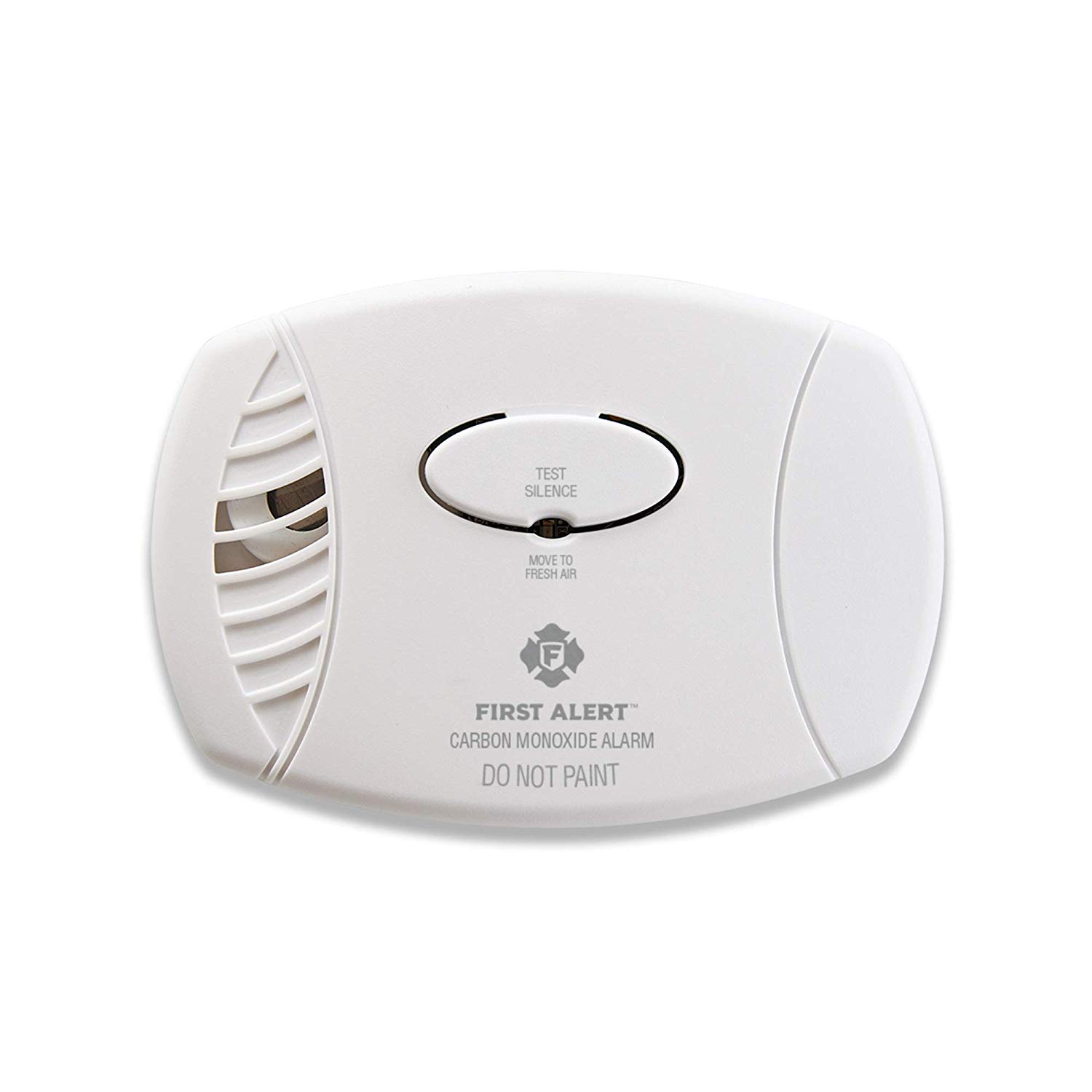
This sweet little unit ensures that money stays in your pocket and your family stays safe—all while keeping safety on the down-low with its slim design. The First Alert CO400 Carbon Monoxide Detector doesn’t require an outlet, so it can be placed anywhere, which gives you a lot of options.

It’s nice that you can change the batteries in this CO alarm, but the battery compartment is difficult to get into. Our advice: take a few deep breaths before swapping out the batteries.

Pros

  • Cheap price tag
  • Dependable readings
  • Basic design

Cons

  • Tricky battery compartment
  • No smart home features

Types of Carbon Monoxide Detectors

There are several types of carbon monoxide detectors available for purchase, some include multiple functions.

  • Dual-function – sense different threats like CO, smoke, and fire.
  • Digital – show you levels of carbon monoxide on a digital screen.
  • Smart – run diagnostics and sync with home automation apps.
  • Hardwired – wired into your home’s electrical grid, works unless the power goes out.
  • Battery-operated – basic sensing and display, needs batteries to operate.

Carbon Monoxide Detectors FAQs

Check out our full frequently asked questions page to learn more about carbon monoxide detectors.

What are the symptoms of carbon monoxide poisoning?

CO poisoning creates flu-like symptoms like dizziness, nausea, vomiting, headaches, confusion, or fainting.

How common is CO poisoning?

Every year, 400 Americans die from accidental carbon monoxide poisoning and 20,000 are admitted to the emergency room.

Who is most susceptible to CO poisoning?

Everyone is susceptible to carbon monoxide poisoning, but children, older adults, people who are physically ill, and pets are more likely to be affected by CO.

What do I do I get CO poisoning?

If you’re at home, get out of the house and call 911. CO poisoning doesn’t always hit suddenly and doesn’t leave your system quickly, so it’s a good idea to seek medical attention as soon as you can.

What is a carbon monoxide detector?

Carbon monoxide detectors work like smoke detectors, but detect levels of carbon monoxide instead.

These are the most common sensors in CO detectors:

  • Biomimetic detectors use color-changing gels that absorb carbon monoxide which triggers the alarm.
  • Metal oxide semiconductors have silica chips that detect CO and send electrical signals to trigger an alarm.
  • Electrochemical sensors use electrodes in chemical solutions that sense changes in electrical currents when carbon monoxide is present, and they sound an alarm.

Most professionally monitored security systems come with a CO detector. Check out our top security providers to see which home security systems include CO detectors with their monitoring plans.

Where should I install carbon monoxide detectors?

Put a carbon monoxide detector outside every separate sleeping area in your home, your kitchen, basement, and garage. We recommend finding an area far enough from the carbon monoxide source, but close enough to the areas you and your family normally occupy.

Check out our full guide on where to install your own carbon monoxide detectors.

How to Maintain a Carbon Monoxide Detector

Most carbon monoxide detectors last an average of five years. Although the product’s lifetime will vary depending on your make and model, you can still get the most out of your detector by wiping it down weekly to keep it clean from dust and debris.

Just like your smoke detectors, it’s a good idea to test your CO detector monthly. Start by pressing the “test” button to ensure the siren works. If your detector is older, you can purchase a carbon monoxide meter to find out if your detector is still fully functional. If the carbon monoxide sensor doesn’t go off when you test it, it’s probably time to buy a new one.

Know What Can Make Carbon Monoxide Gas

chart showing common causes of Carbon monoxide poisoning

Carbon monoxide (CO) has been called the “silent and invisible killer” because it doesn’t have a smell, color, or taste. It’s one of the most prevalent causes of death due to poisoning in America. Any time you burn something—like gasoline, natural gas, wood, oil, propane, or charcoal—carbon monoxide is released into the air.

In outdoor spaces, this usually isn’t a health hazard because there is enough area for the CO to dissipate, so particles never amount to a toxic level. The danger comes when carbon monoxide is released in a contained area like your home, RV, or garage.

Anything that burns will create carbon monoxide. It’s not just your stove, fireplace, or grill either. Here are some of the things that can create carbon monoxide when turned on:

  • Appliances
  • Gas grills
  • Gas stoves
  • Gas or oil-burning furnaces
  • Fuel-burning water heaters
  • Non-electric space heaters
  • Tools
  • Snowblowers
  • Lawnmowers
  • Pressure washers
  • Generators
  • Non-electric cars, trucks, and boats
  • Chain saws

Know What To Do and What Not To Do

Lighting a fire in your fireplace is okay if it’s properly ventilated. However, if you do the following, you could cause dangerous levels of carbon monoxide to build in your home.

Do

  • Always vent gas appliances properly
  • Get your chimney checked annually to ensure proper ventilation

Fireplace image

Don’t

  • Never burn gas grills inside your home
  • Don’t use your gas stove/oven for heating
  • Don’t leave the car running with the garage door closed
  • Don’t patch or seal vent pipes with tape or unapproved products or carbon monoxide could leak into your home
  • Don’t ever burn charcoal inside
  • Never run a generator in your home or within 20 feet of your home’s doors, windows, and garage
  • Don’t turn on your car if the tailpipe is blocked (by snow or anything else)

*Amazon.com list price as of 12/11/19 01:28 MST. Product prices and availability are accurate as of this date/time indicated and are subject to change. Any prices and availability information displayed on Amazon at the time of purchase will apply to the purchase of this product. Safewise.com utilizes paid Amazon links.

Certain content that appears on this site comes from Amazon. This content is provided “as is” and is subject to change or removal at any time.

The post The Best Carbon Monoxide (CO) Detectors of 2019 appeared first on SafeWise.


from Blog – SafeWise https://ift.tt/2Qj4IMW
via IFTTT

ADT Disclaimer

ADT $27.99 Essential package: $99.00 Customer Installation Charge. 36-Month Monitoring Agreement required at $27.99 per month ($1,007.64...